As temperatures begin to cool across South Florida, outdoor spaces take on a new role in the home. Patios become places to linger over morning coffee, poolside lounges invite slower afternoons, and covered terraces offer a comfortable setting for evenings spent outside.
But a truly considered outdoor living space involves more than selecting furniture and adding a few finishing touches. The most successful designs account for how the space connects to the home, how people move through it, and how it feels throughout the day.
As outdoor living season arrives, here are a few thoughtful design considerations worth exploring.
Start With the View
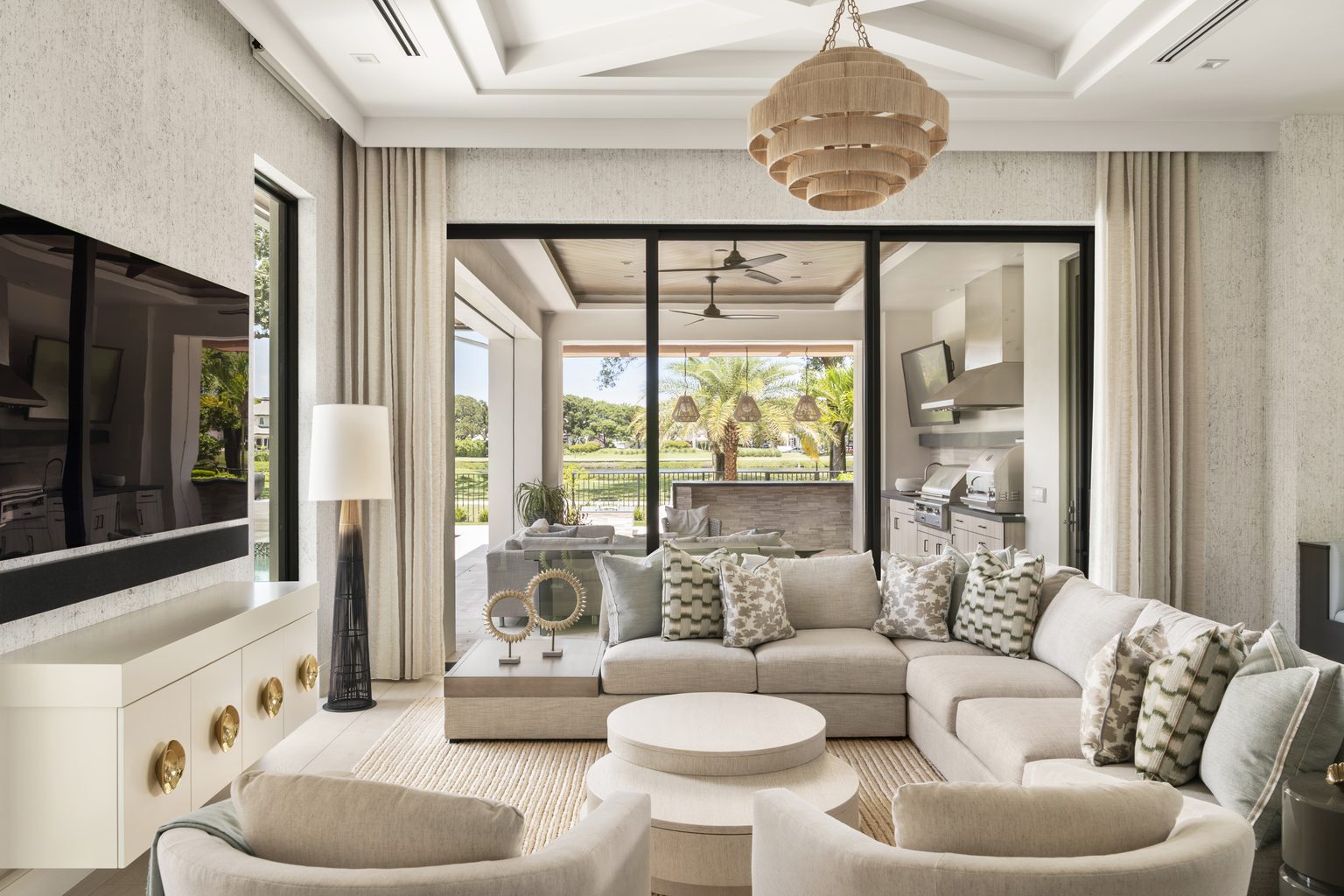
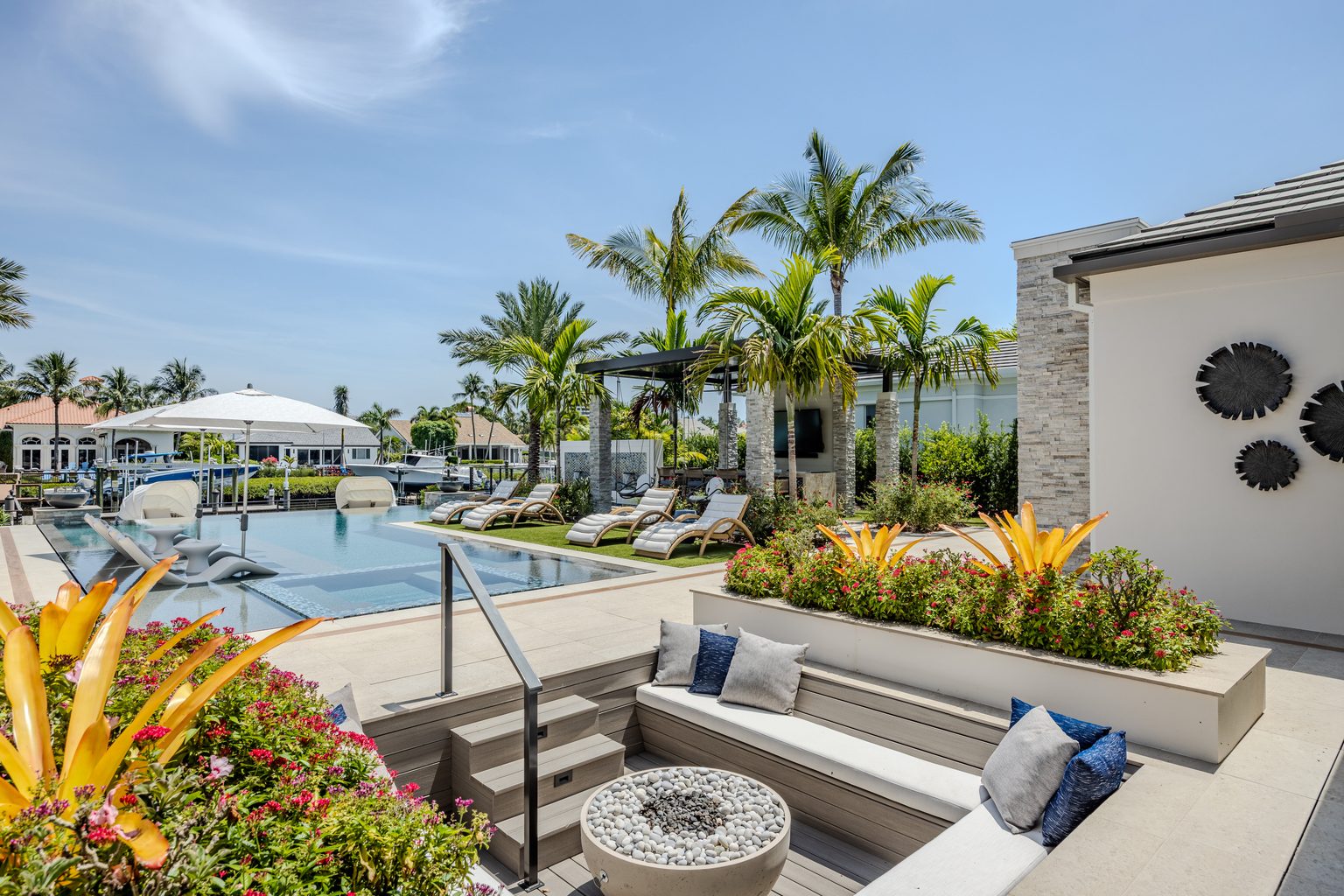
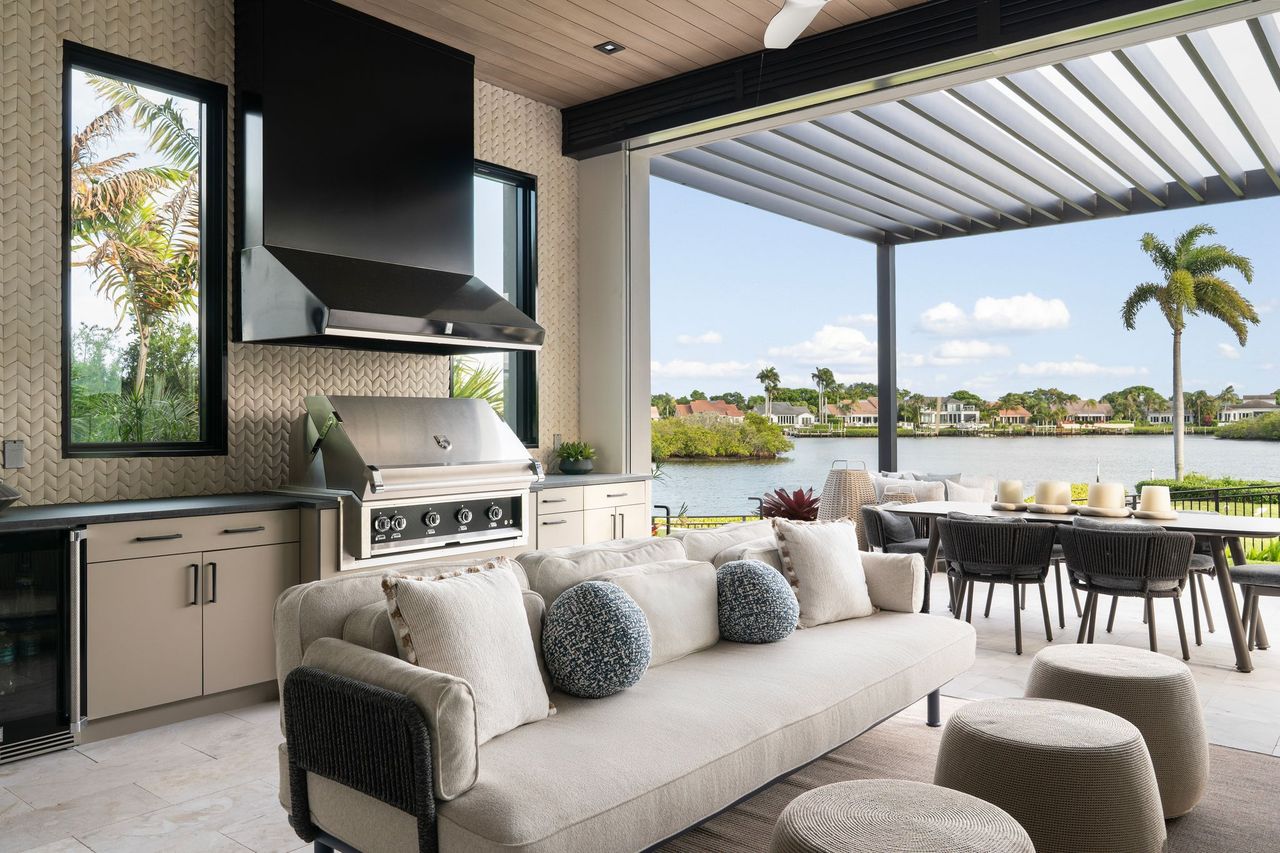
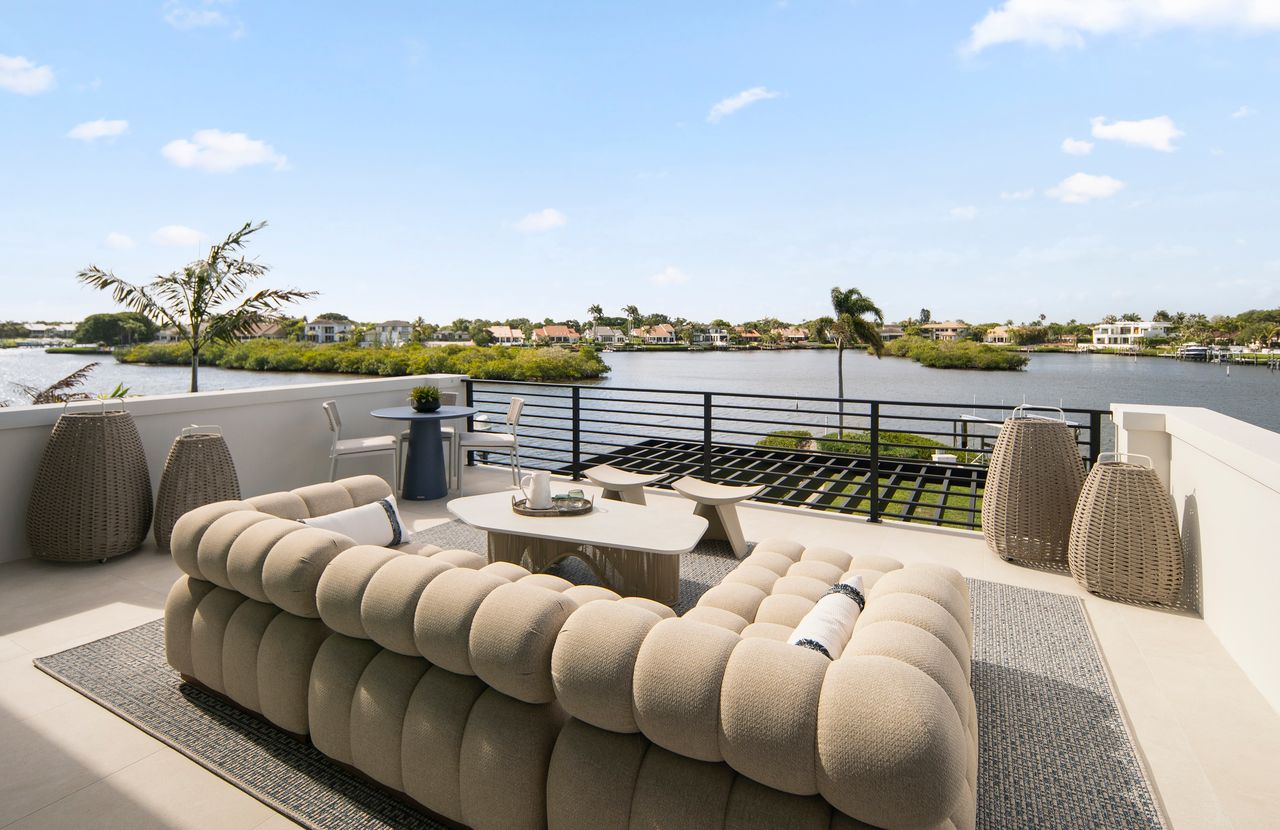
In South Florida, the surrounding landscape is often one of a home’s most valuable features. Whether the view looks out over a pool, a garden, or the water, the way an outdoor space is arranged can either enhance that view or distract from it.
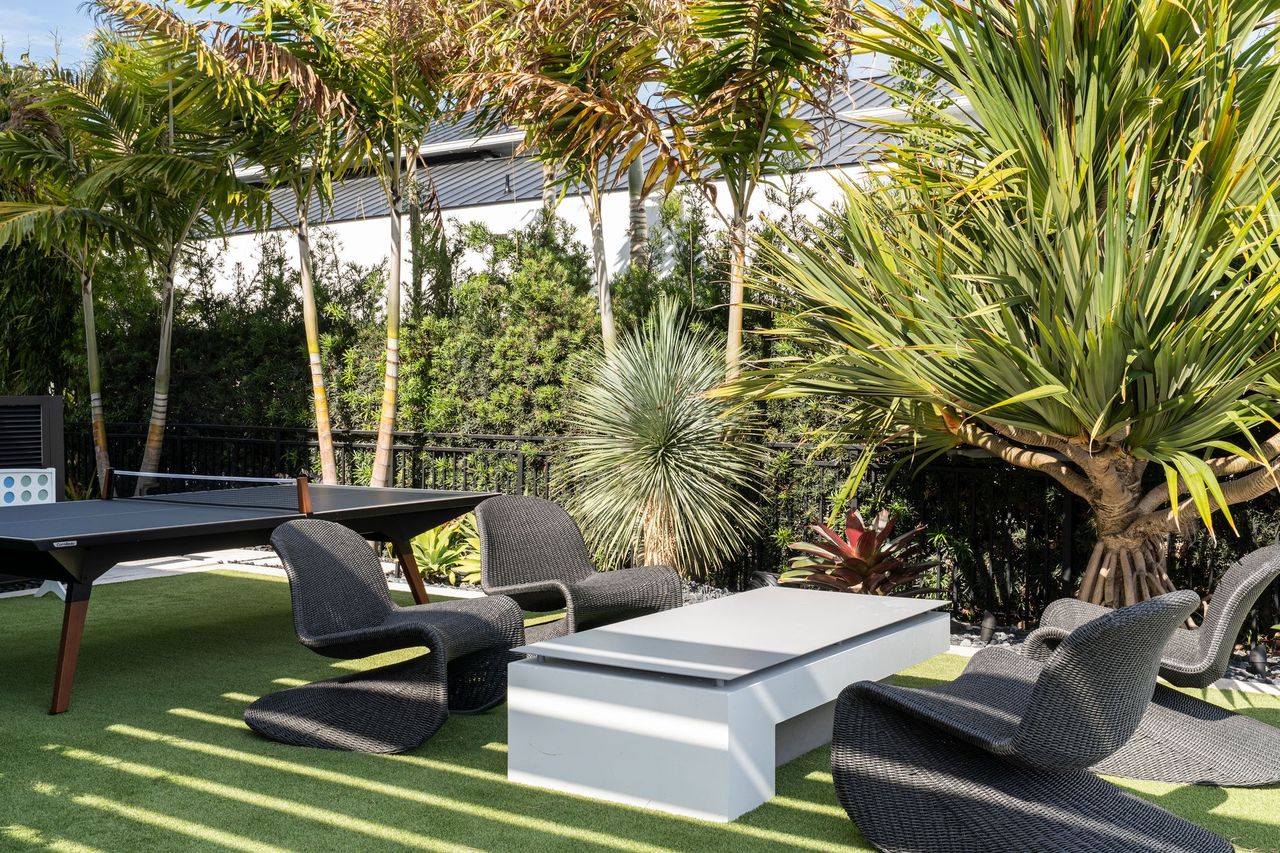
Furniture placement plays an important role. Lower-profile seating can preserve sightlines, while the positioning of dining tables and lounge areas can frame the landscape rather than obstruct it. Even the placement of planters and decorative elements deserves consideration.
The goal is to make the surroundings part of the design itself, allowing the architecture, landscape, and furnishings to work together.
Give Every Area a Purpose
A spacious terrace or patio does not necessarily need more furniture. Often, it benefits from a more intentional layout.
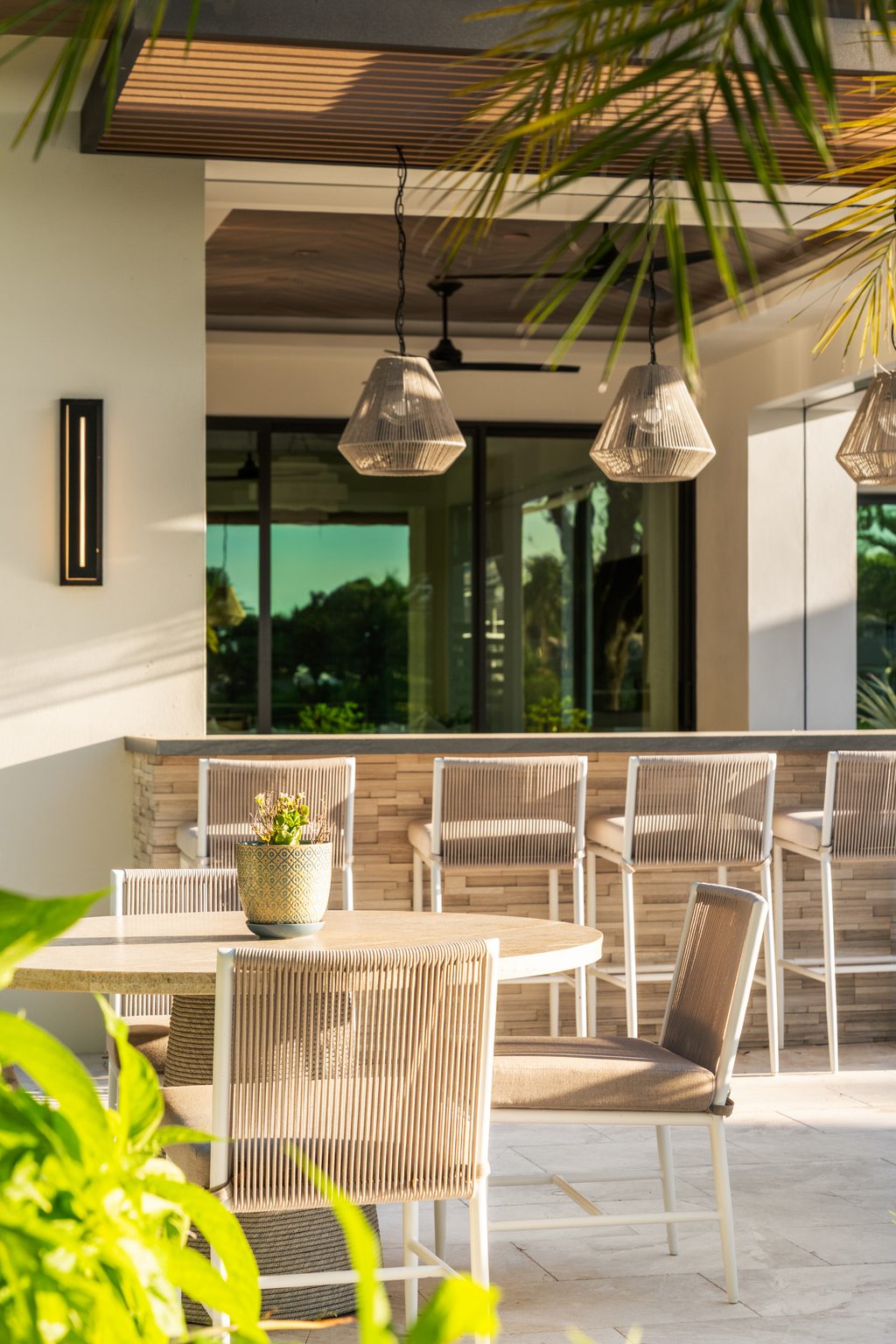
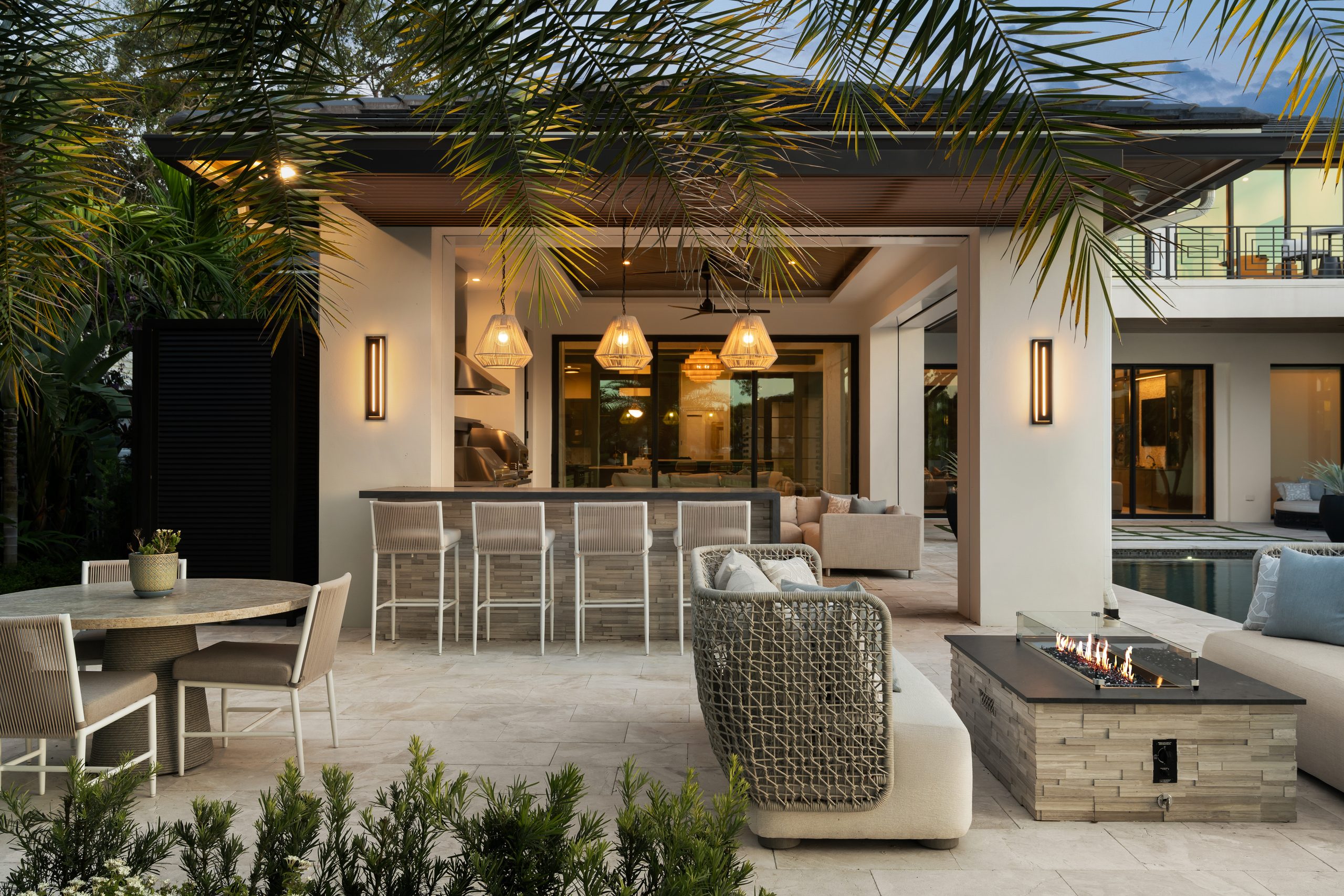
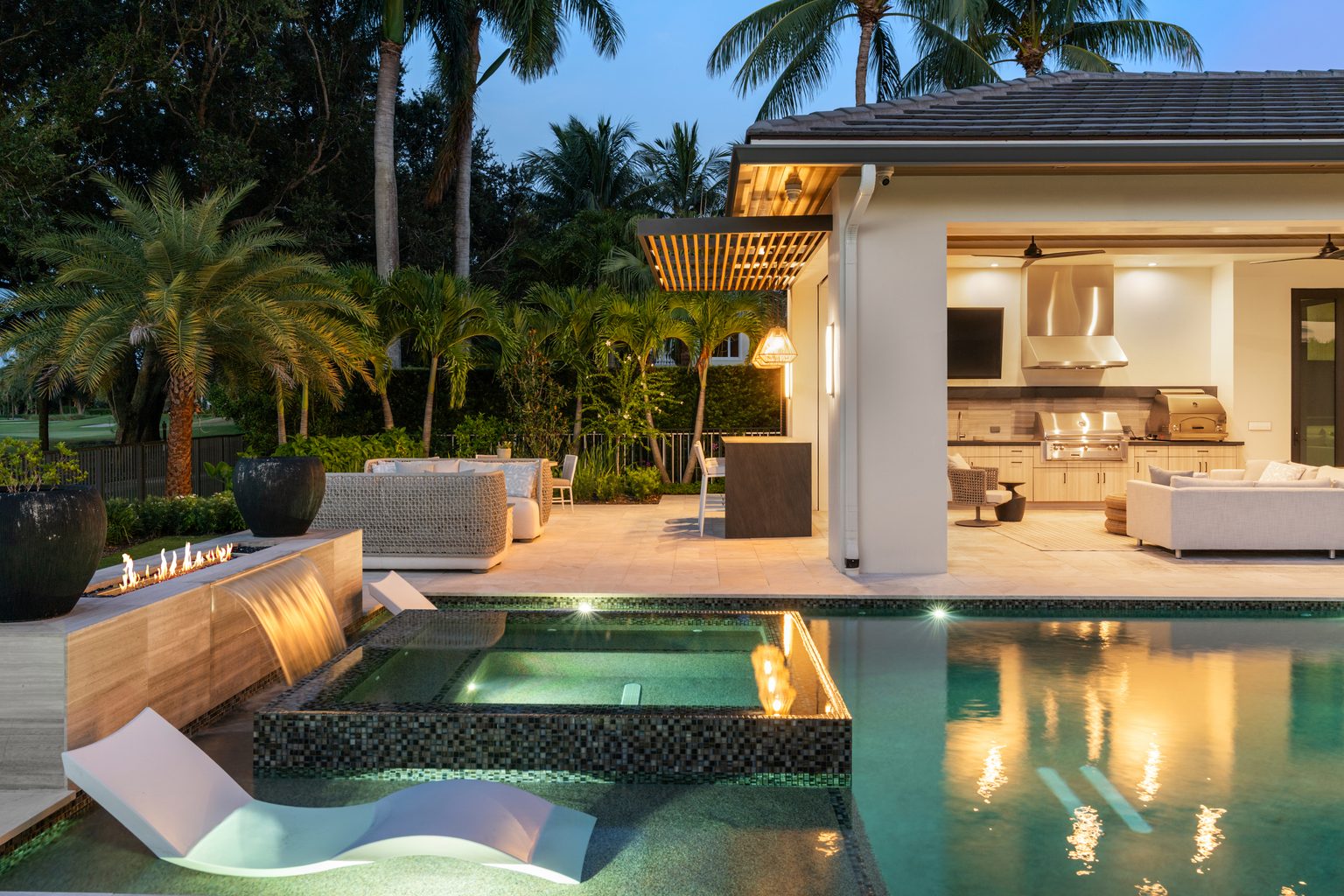
Consider how different areas of the outdoor space will be used throughout the day. A quiet seating area might be positioned to capture the morning light, while a dining space could sit closer to the kitchen for convenience. A separate lounge near the pool may offer a more relaxed setting for afternoons at home.
These distinctions help a larger outdoor area feel organized without making it feel divided. Changes in furniture arrangement, flooring patterns, overhead structures, or landscaping can establish subtle boundaries while maintaining an open, cohesive atmosphere.
Pay Attention to the Spaces Between
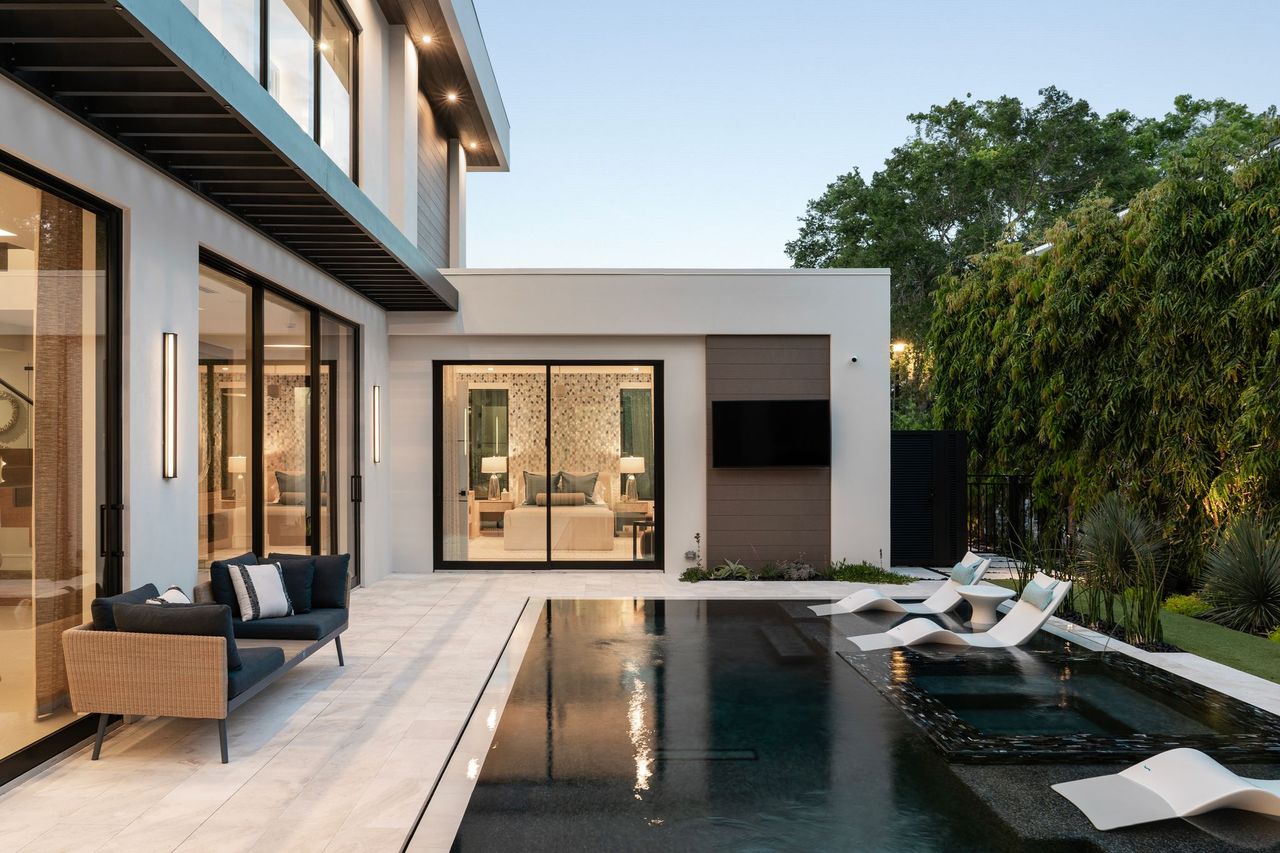
Some of the most important design moments happen between the main living areas. The path from the kitchen to the outdoor dining table, the transition from a covered terrace to the pool deck, or the entrance to a garden seating area all influence how naturally a space functions.
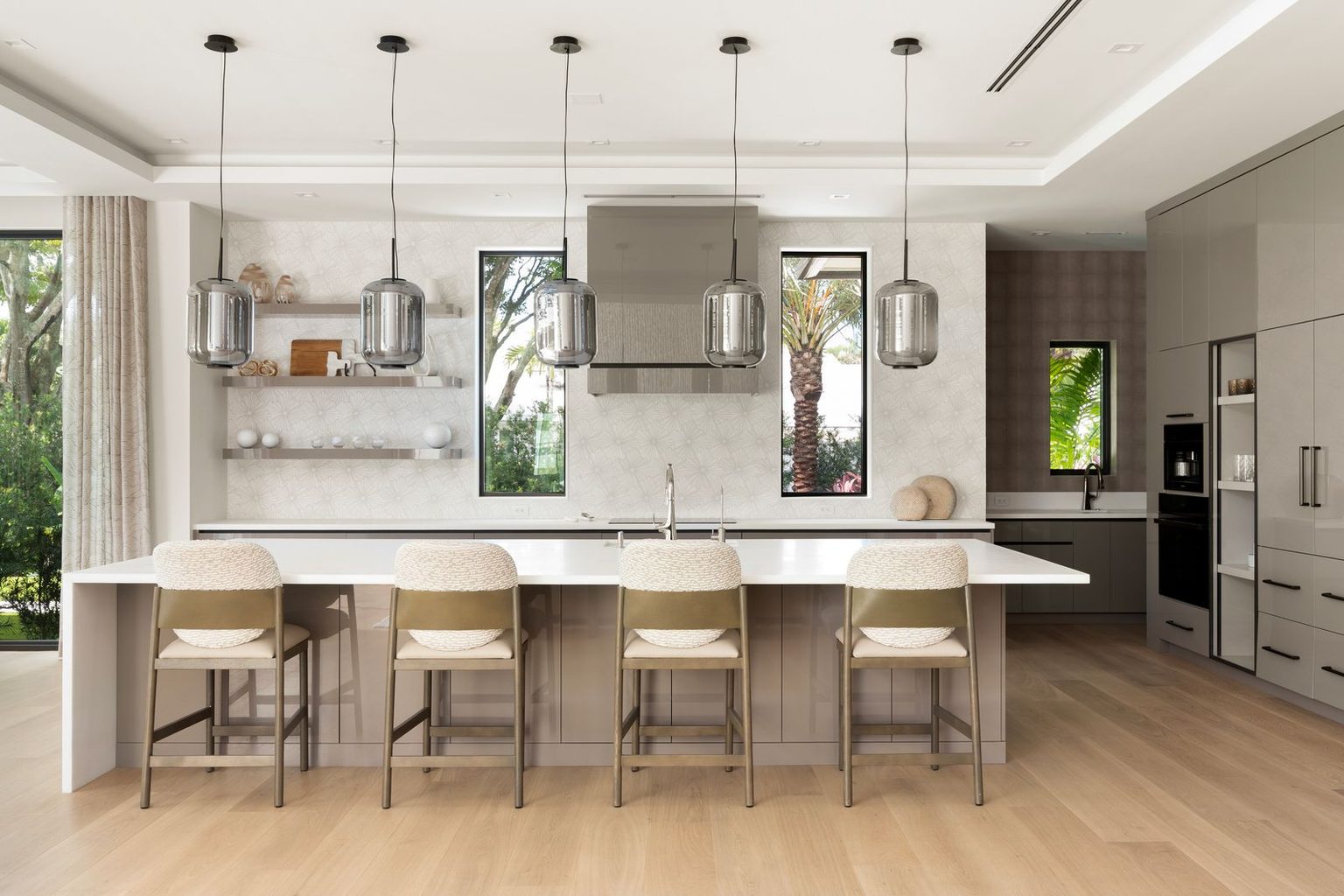
Clear circulation, comfortable walking paths, and carefully considered transitions help an outdoor environment feel intuitive. Materials and finishes can also create continuity between the interior and exterior, making the transition feel intentional rather than abrupt.
When these connecting spaces are thoughtfully planned, the entire home feels more cohesive.
Design For More Than Entertaining
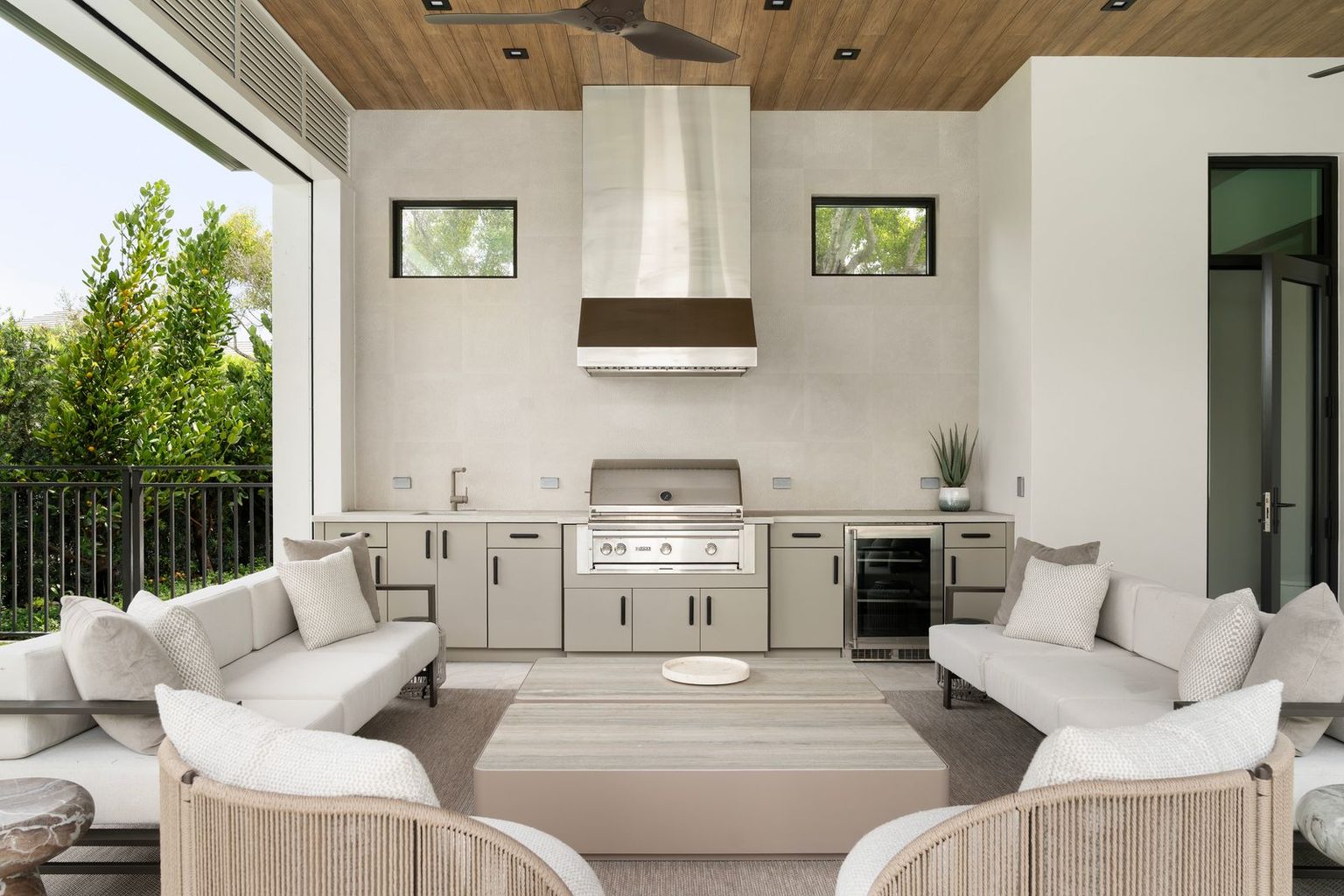
Outdoor living spaces are often designed with hosting in mind, but the moments spent alone are just as important.
A comfortable chair positioned toward the landscape, a shaded corner for reading, or a small table for morning coffee can make an outdoor area feel useful every day, not only when guests arrive.
These quieter functions are worth considering early in the design process. By identifying how you want to use the space on an ordinary day, you can create an environment that feels personal and comfortable rather than designed solely for special occasions.
Consider Privacy Without Losing the View
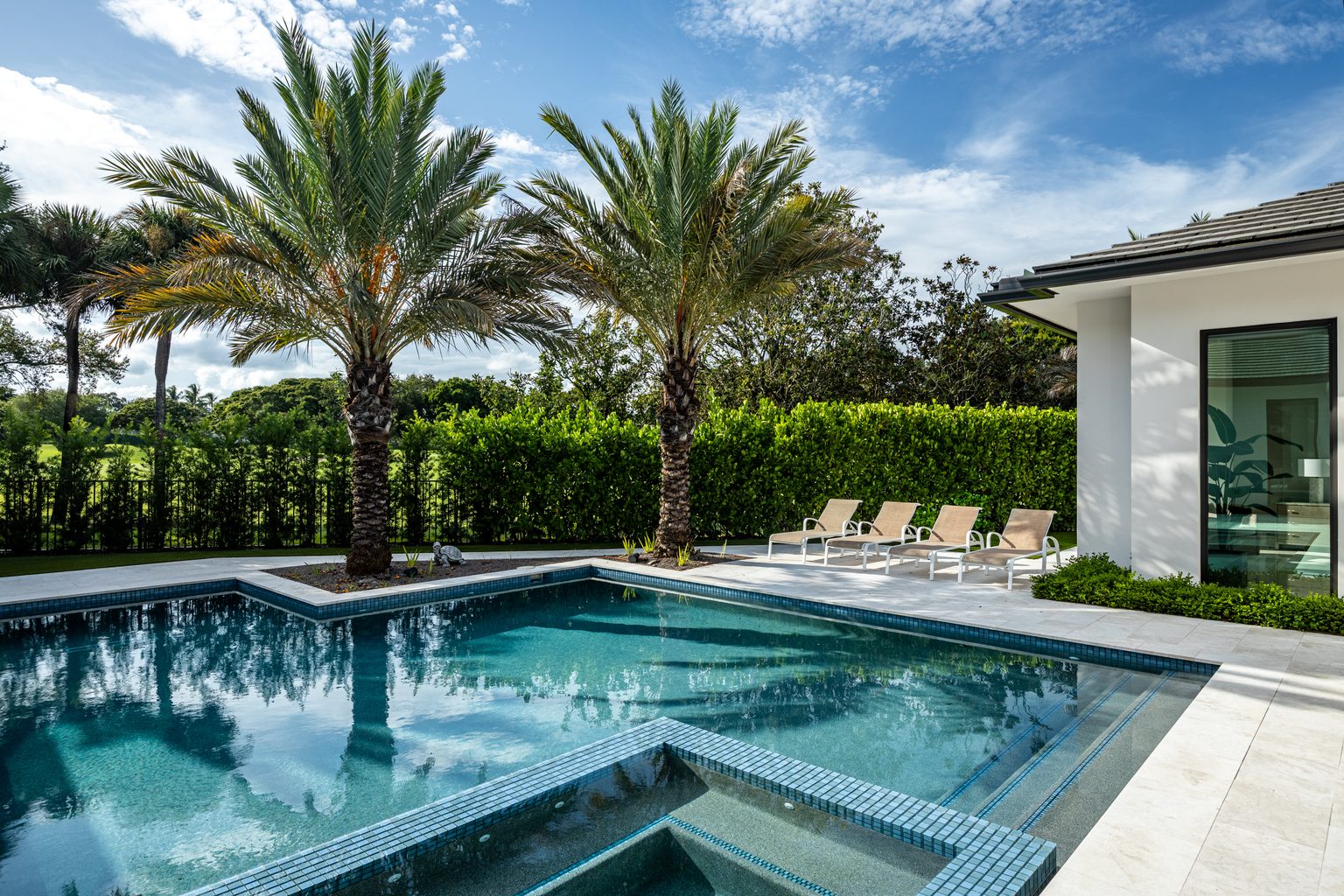
Creating a sense of privacy outdoors can require a more nuanced approach than simply adding a fence or wall. The right solution should offer separation where it is needed without making the space feel enclosed.
Layered landscaping, strategically placed planters, architectural screens, and thoughtfully positioned pergolas can help define an outdoor retreat while preserving natural light and desirable views.
The key is to consider privacy in relation to the entire setting. A well-placed screen or carefully selected planting can make a seating area feel more intimate while allowing the broader landscape to remain part of the experience.
Make Material Selections with the Future in Mind
Outdoor finishes are exposed to conditions that interior materials rarely encounter. Sun exposure, humidity, moisture, and everyday use all influence how materials perform over time.
Beyond appearance, it is worth considering how a material will age, how easily it can be maintained, and whether it is appropriate for its intended application. Upholstery, flooring, cabinetry, hardware, and decorative finishes each require consideration within the context of the Florida climate.
These practical decisions are an important part of creating a design that remains beautiful and functional well beyond the first season.
Make This Season Your Starting Point
The arrival of outdoor living season is an opportunity to look at your home from a different perspective. Rather than focusing only on what to add, consider how your existing spaces could work better, feel more connected, or better reflect the way you live.
At Cherry Luxury Interiors, we believe thoughtful design considers the complete experience of a home. When the layout, materials, architecture, and surrounding landscape work together, outdoor spaces become a natural and meaningful extension of everyday living.
If you are considering an outdoor refresh or a more comprehensive design project, our team can help you explore the possibilities for your home.