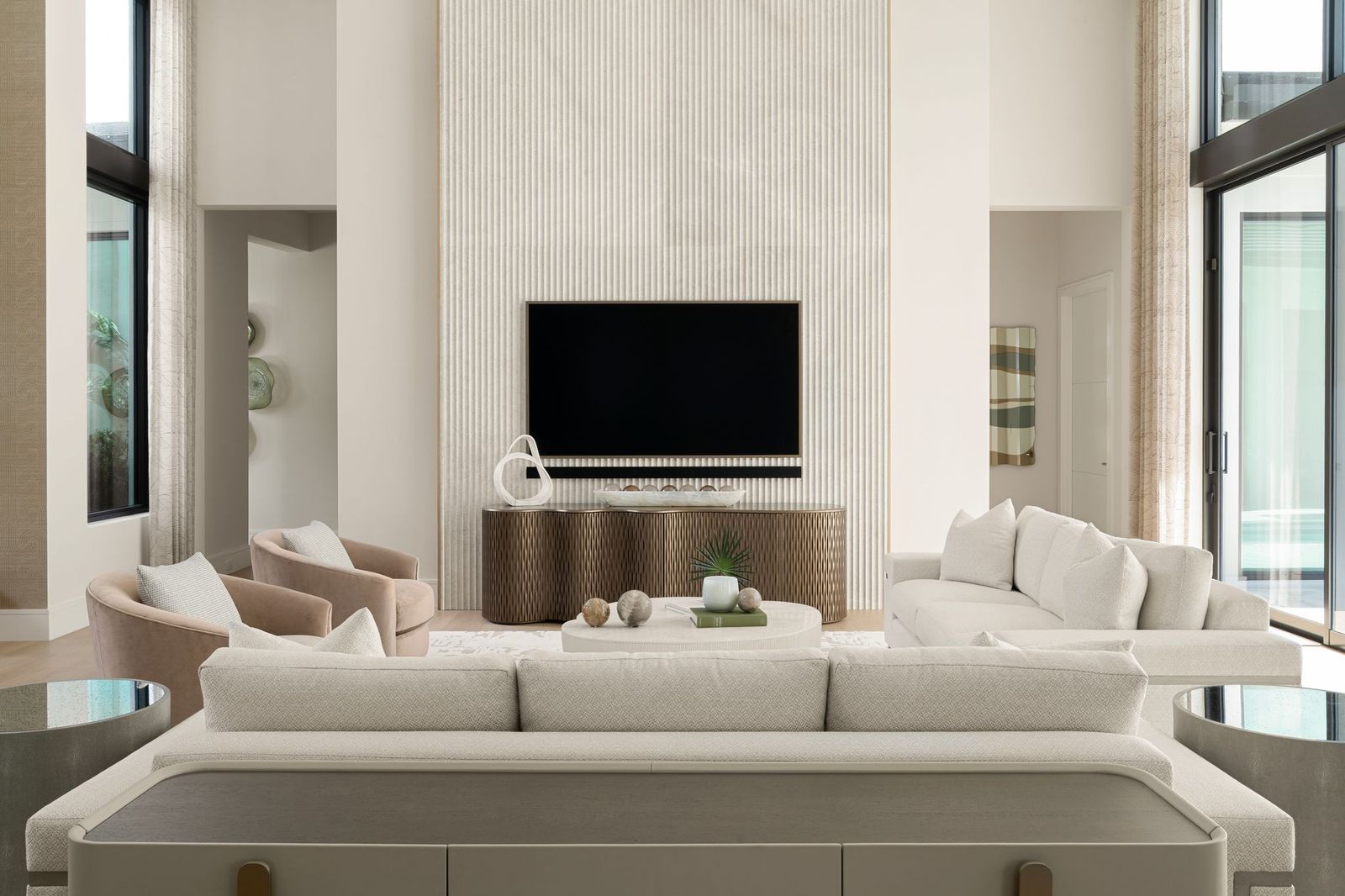
A lot of people know what they like when they see it, but have trouble putting their personal style into words. Your home doesn’t need to fit neatly into one design category. The better place to begin is by looking at what consistently draws you in and how you want your home to feel.
Start With How You Want Your Home to Feel
Before choosing colors, furniture, or finishes, think about the feeling you want to create. Do you want your home to feel calm and relaxed? Warm and inviting? Refined and sophisticated? Light and effortless? Dramatic and layered?
Design should begin with the experience of the home, not simply its appearance.
Pay Attention to What You’re Naturally Drawn To
Instead of asking yourself, “What’s my design style?”, start noticing what catches your attention. Take the time to look through interior design magazines, Pinterest, artwork, and other homes. Even taking a look in your own closet can give you a great starting point.
Are you drawn to certain colors, patterns, or textures? Your home should feel like you, and what better way to begin than by looking at the things you already love?
Look Beyond the Label
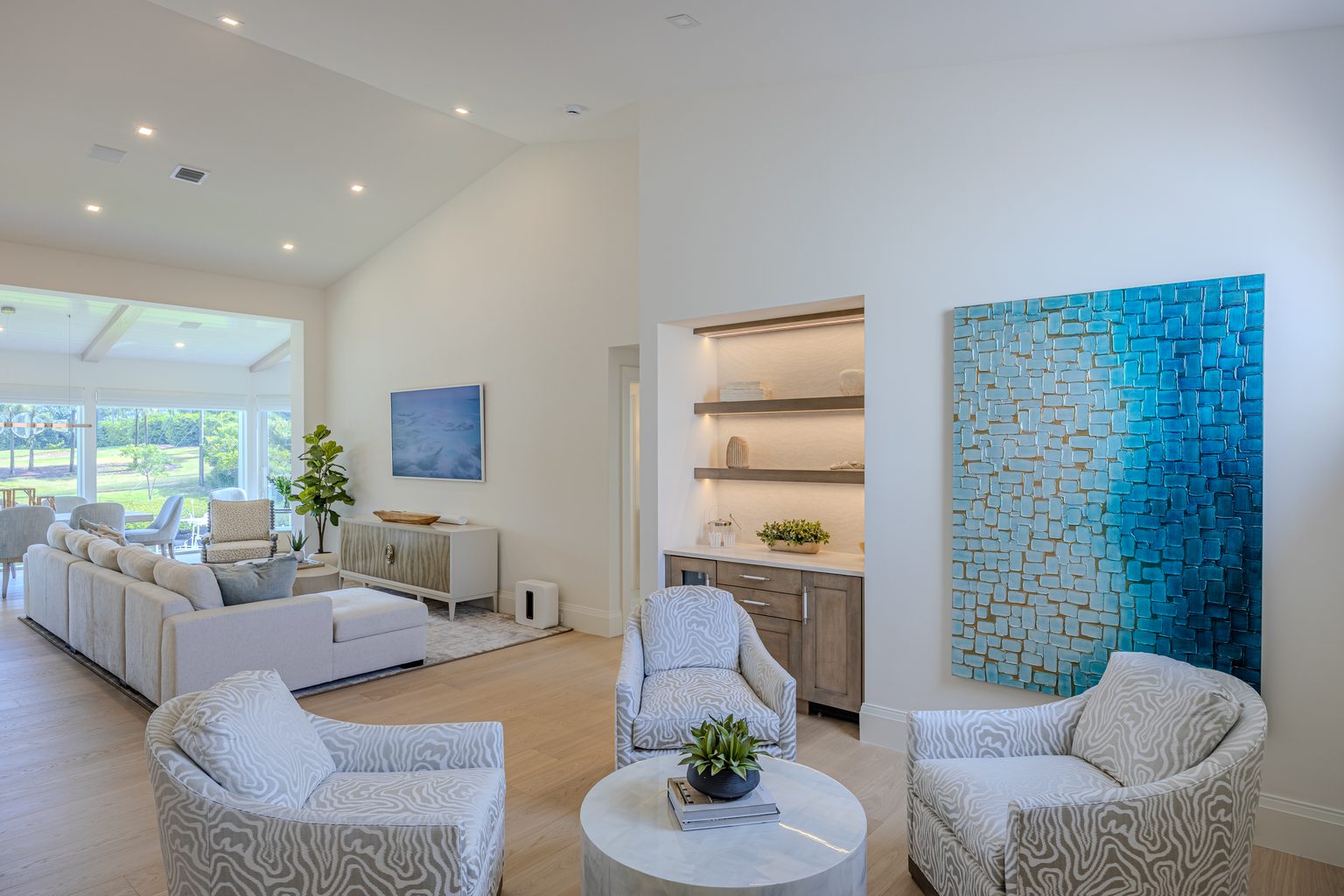
You don’t have to stick with one style. You could be “modern”, “coastal”, “traditional”, or a combination of several. Design is personal, and some of the most interesting interiors come from thoughtfully mixing styles.
You might love traditional architecture but with contemporary finishes, a neutral palette with dramatic accents, clean architecture with warm, layered interiors, or coastal influences without an overly coastal look.
Your home doesn’t have to fit neatly into one style; the most personal homes often borrow from several.
Consider How You Actually Live
A room can be beautiful, but that doesn’t mean it’s the right space for you.
Ask yourself questions like: Do I entertain often? Do I prefer casual spaces or more formal spaces? Do I need a home that works for a busy family? Do I spend more time indoors or outdoors? Do I want every room to feel connected, or do I want each space to have its own distinct character?
Your lifestyle should influence the design of your home just as much as your aesthetic preferences.
Find Your Common Themes
Take a close look at all of the inspiration you’ve collected. Are there common themes? Look at the materials, colors, patterns, textures, shapes, and styles you’re repeatedly drawn to.
Recurring elements are clues to your personal design language. They can help reveal what you naturally gravitate toward, even if you don’t have a name for it.
Think About What You Want to Keep
Your style isn’t only about what you want to buy. It’s also about what you already love.
Maybe there’s a piece of art you’ve had for years, an inherited piece of furniture, a favorite rug, keepsakes from places you’ve traveled, or even architectural details that you want to preserve. These pieces can become the foundation for a home that feels personal, not prescribed.
Don’t Design Every Room in Isolation
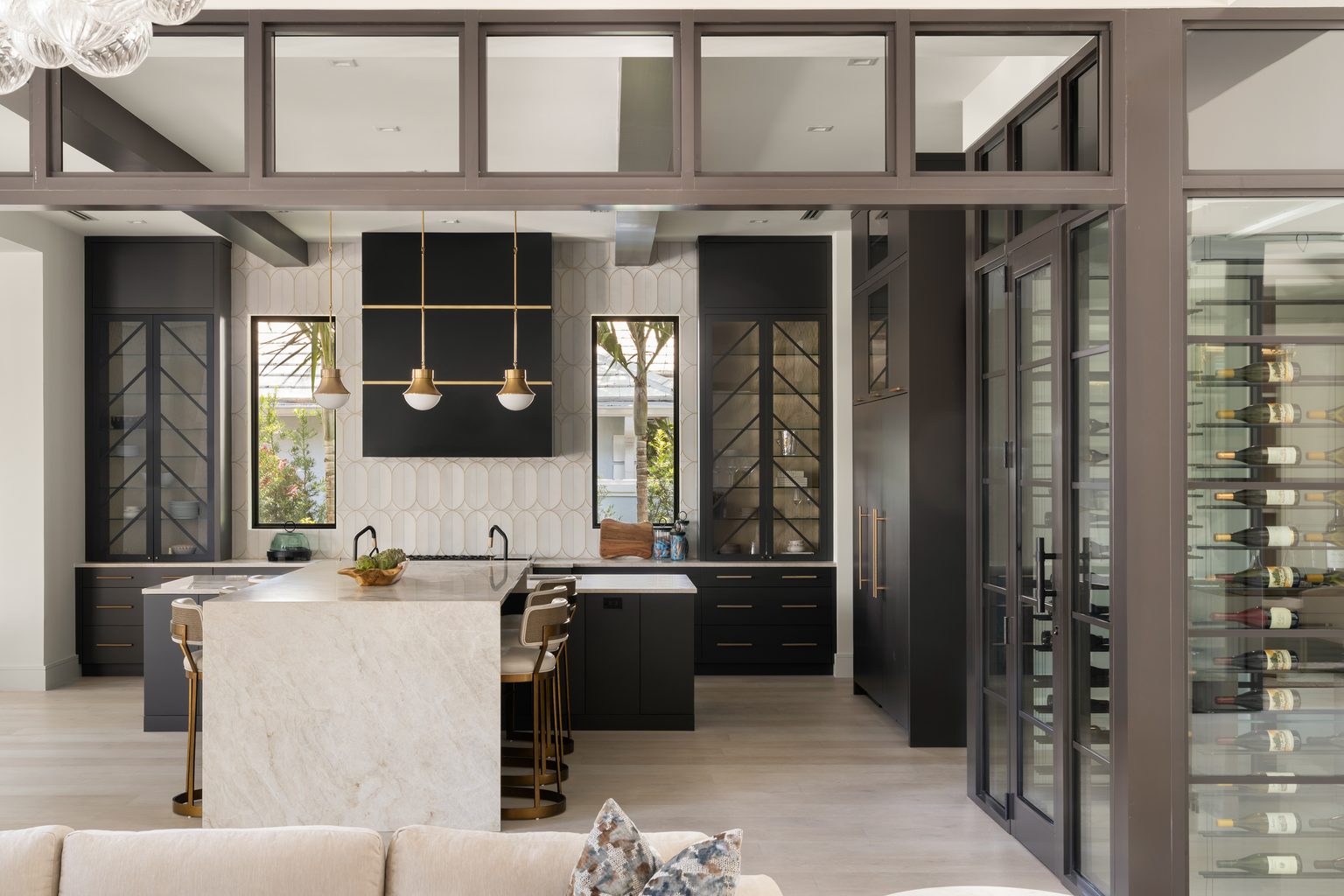
Your rooms don’t have to match, but they should feel like they belong to the same home.
Whether it’s by carrying the same wood tones throughout multiple rooms, repeating a fabric in window treatments, or using complementary metals across hardware and lighting, small elements like these can help define your home’s visual language and tell one cohesive story.
Give Your Style Room to Evolve
Your design style isn’t something you have to figure out once and stick with forever. Homes evolve as people do.
Your tastes change. Your family changes. The way you use your home changes. Your home should have room to grow with you.
The goal isn’t to identify the perfect design label. It’s to create a home that reflects the people who live there. Their routines, memories, preferences, and the way they want to experience their home.
Ready to explore what your home could become?
Start a conversation with us!